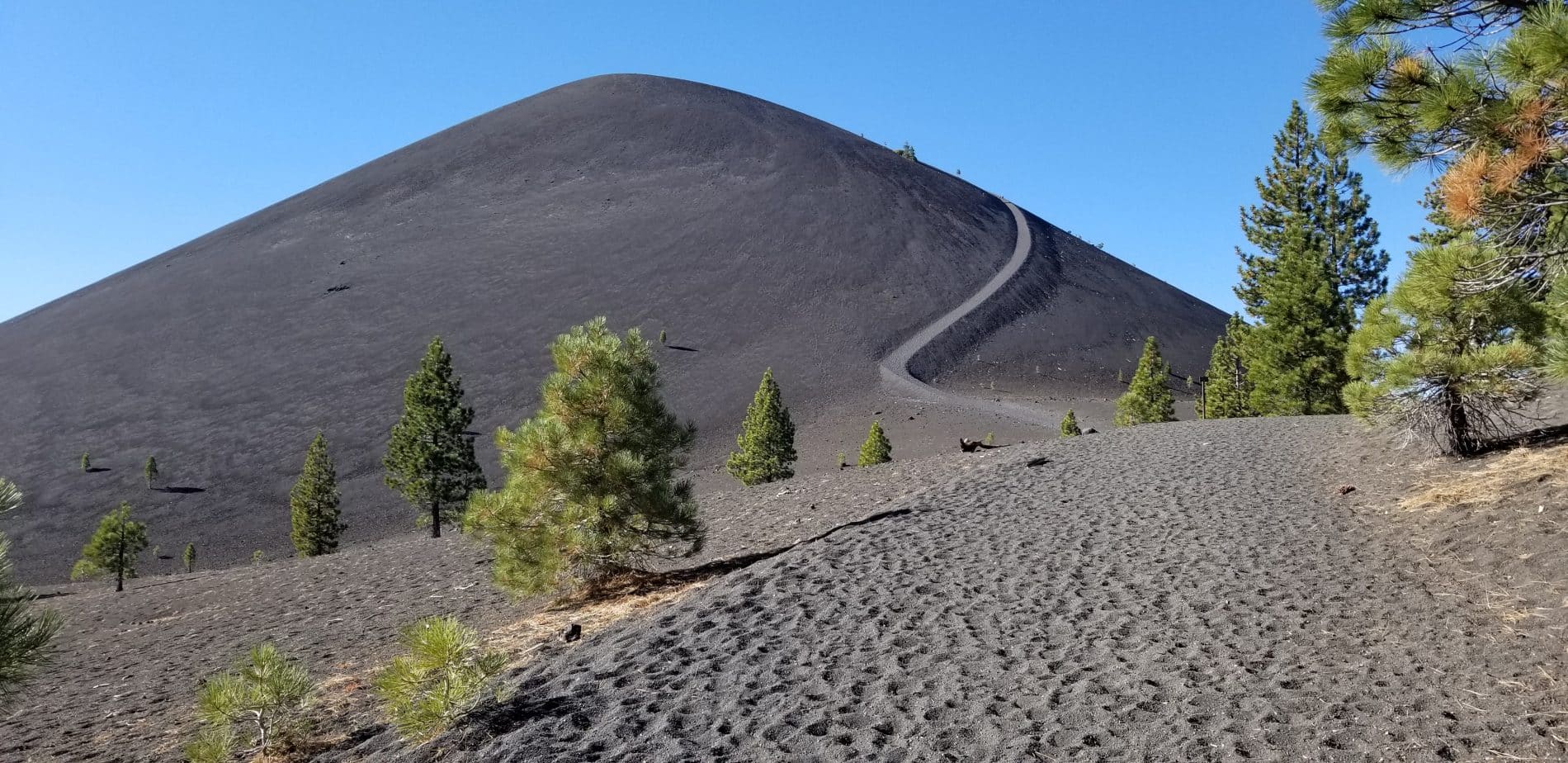
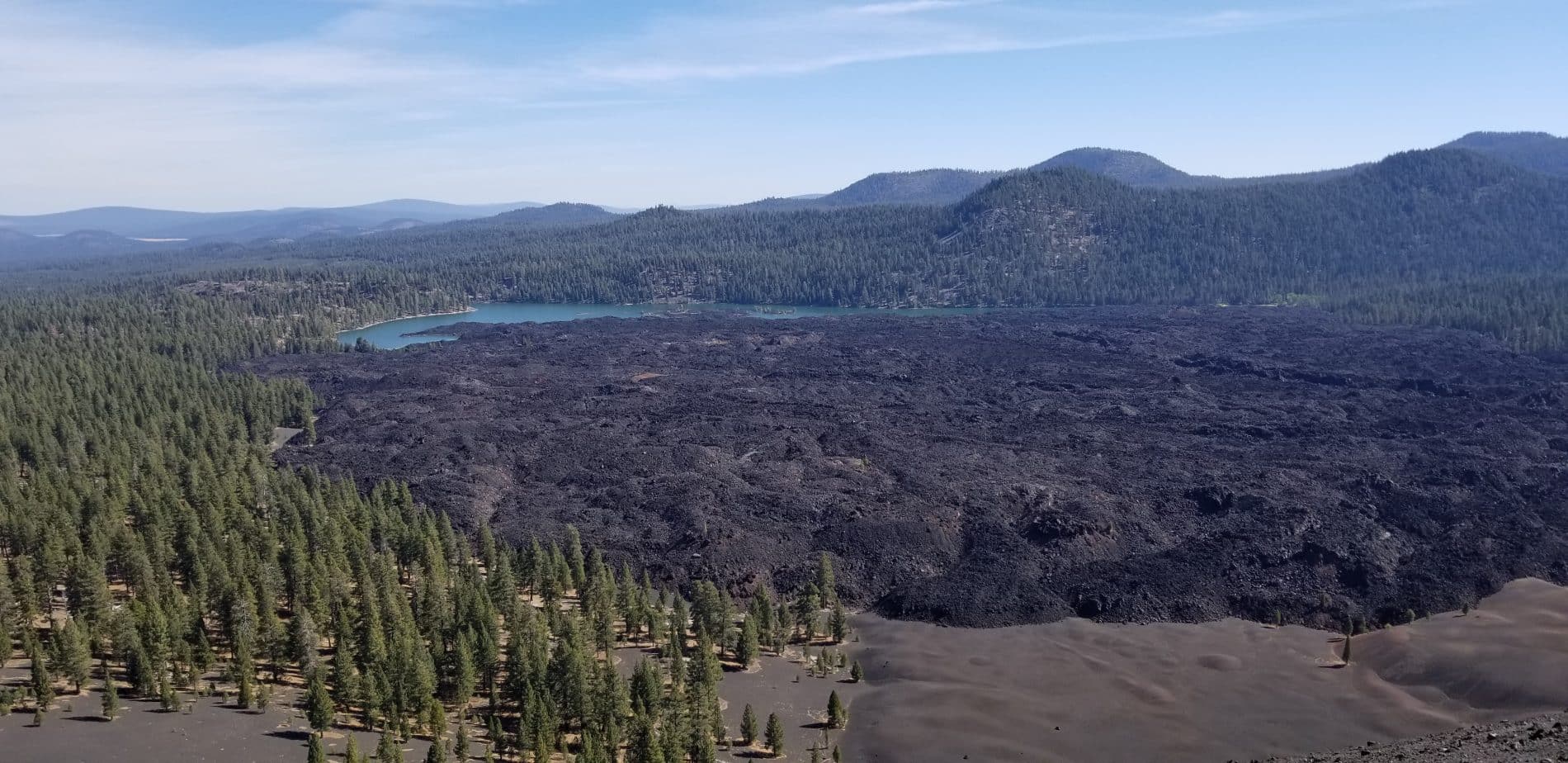
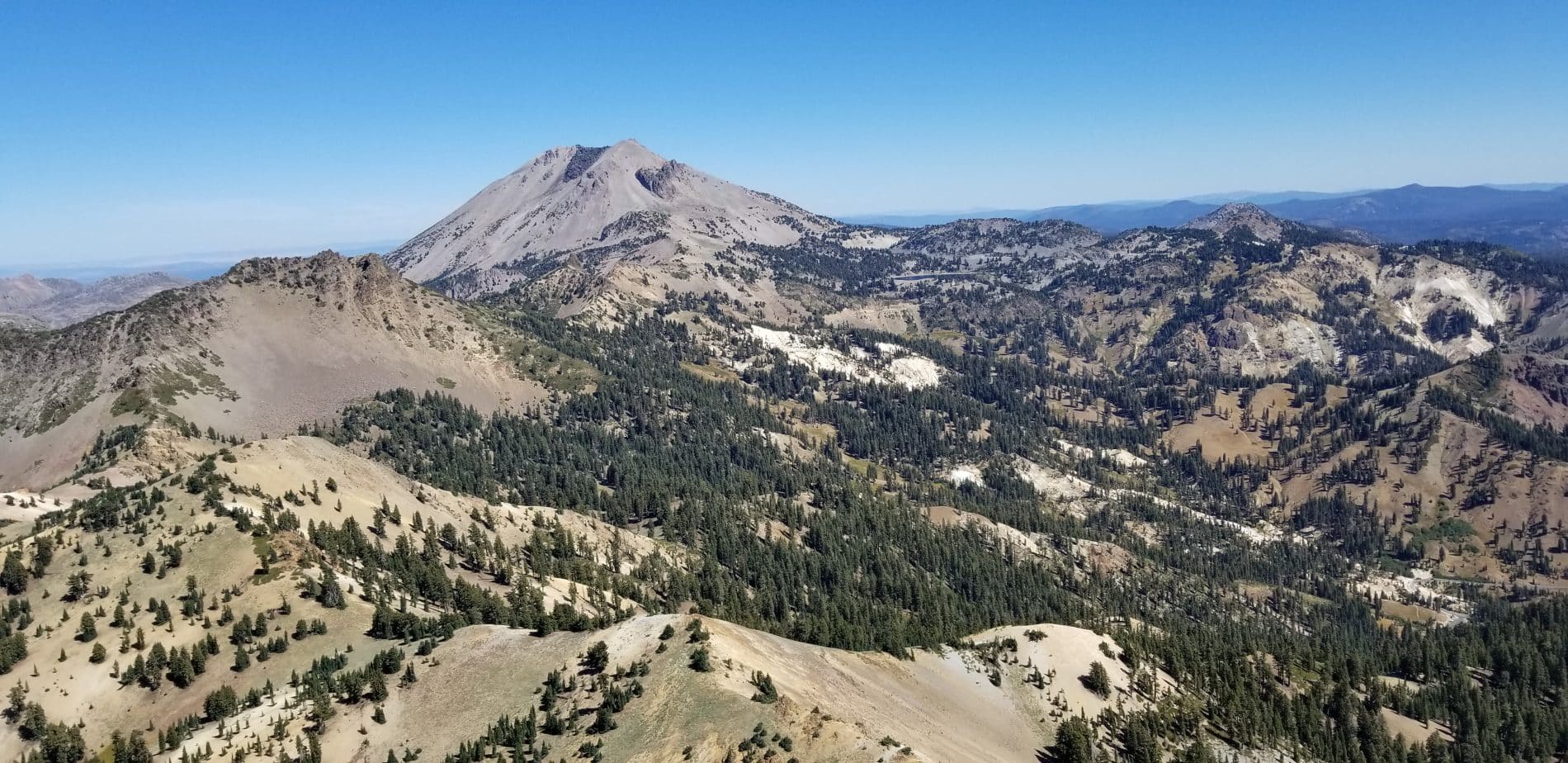
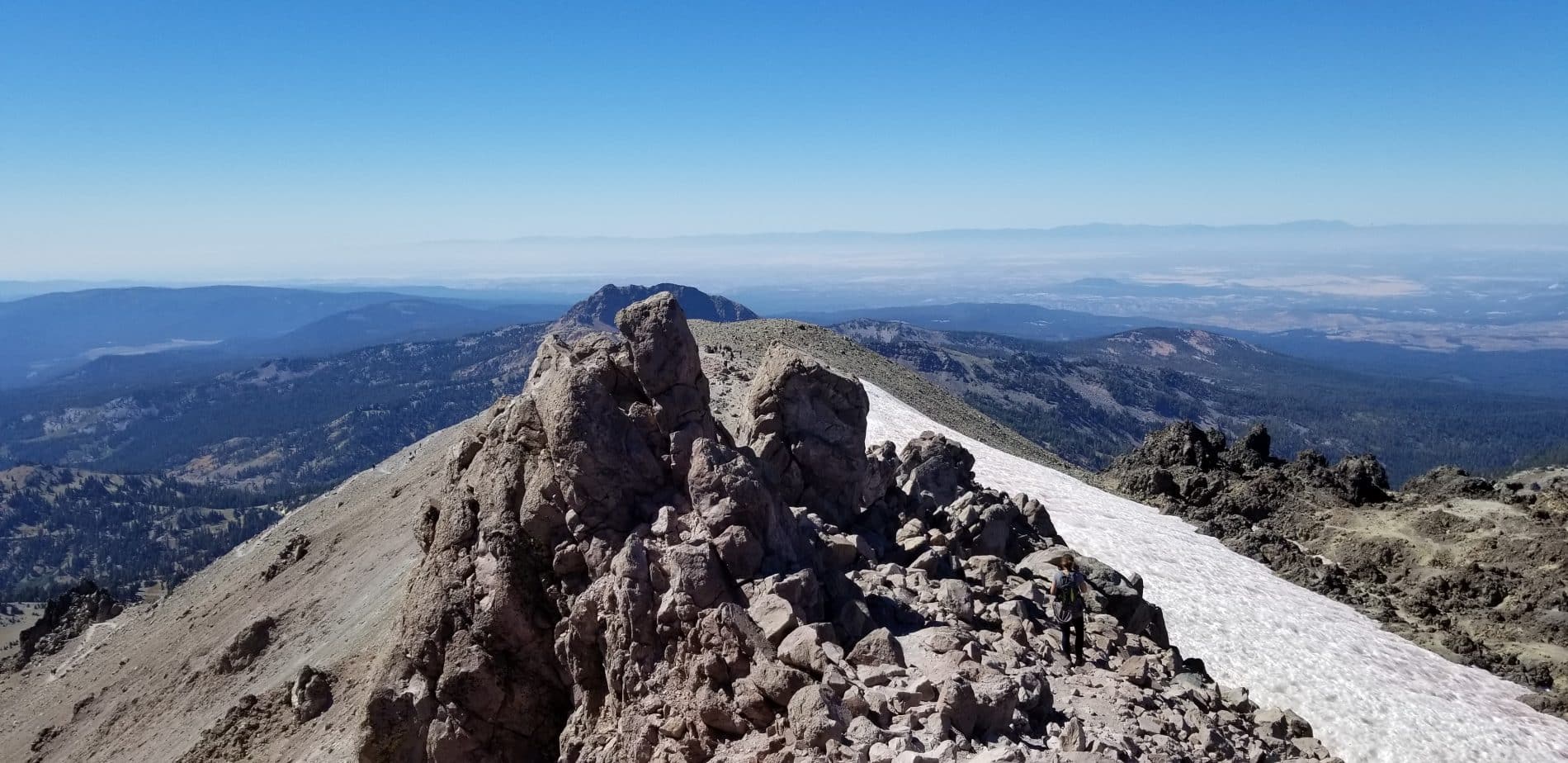
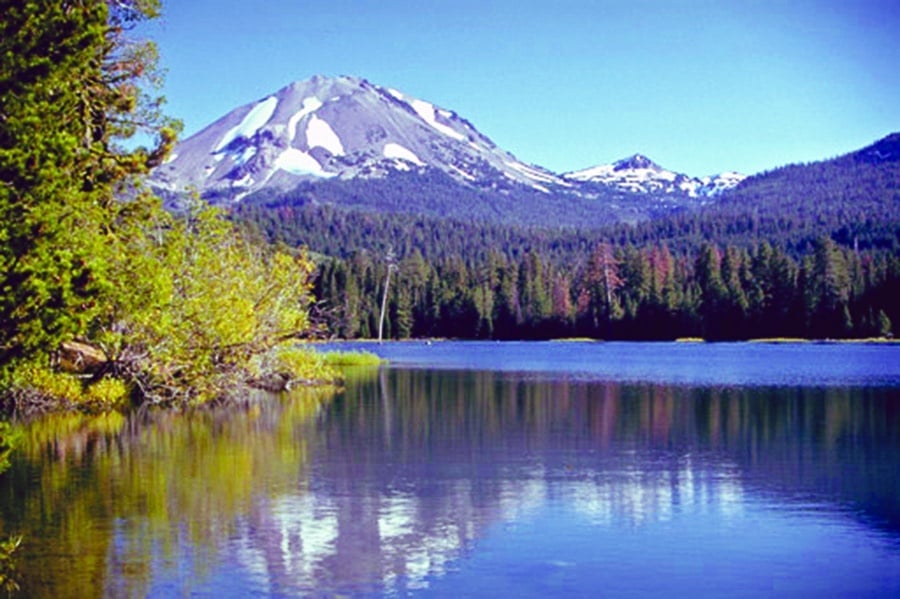
On Memorial Day, 1914, after centuries of slumber, Lassen Peak, southernmost of the mighty Cascades volcanoes, awakened with a ferocity not unlike that replicated some 66 years later by its sister peak to the north-Mount Saint Helens. About a year later, after a period of sustained activity, Lassen blew its top, tossing 20-ton boulders about like pebbles, some of which landed in the distant streets of Reno to the east. Smaller eruptions continued for the next seven years leaving the landscape littered to this day with volcanic debris.
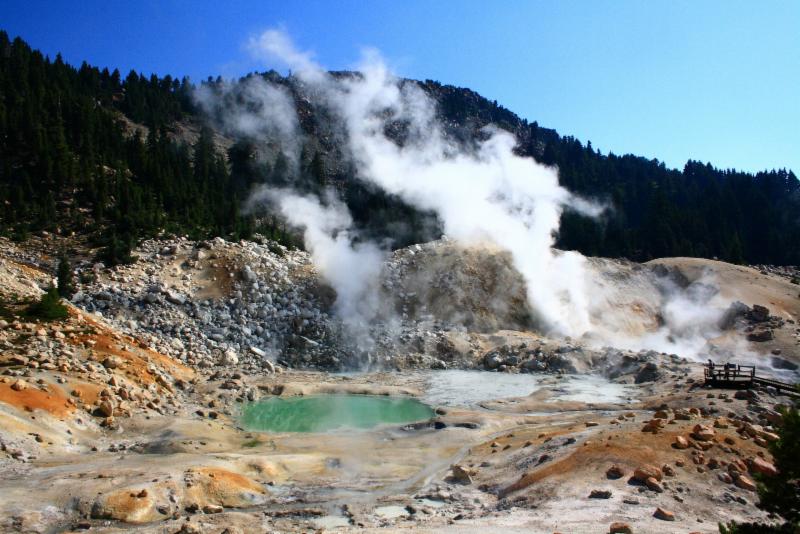
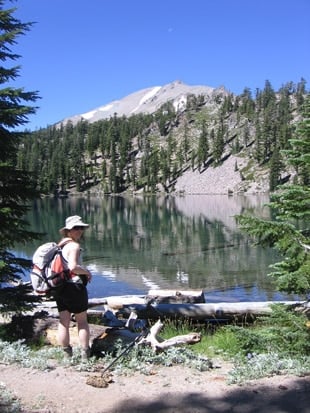
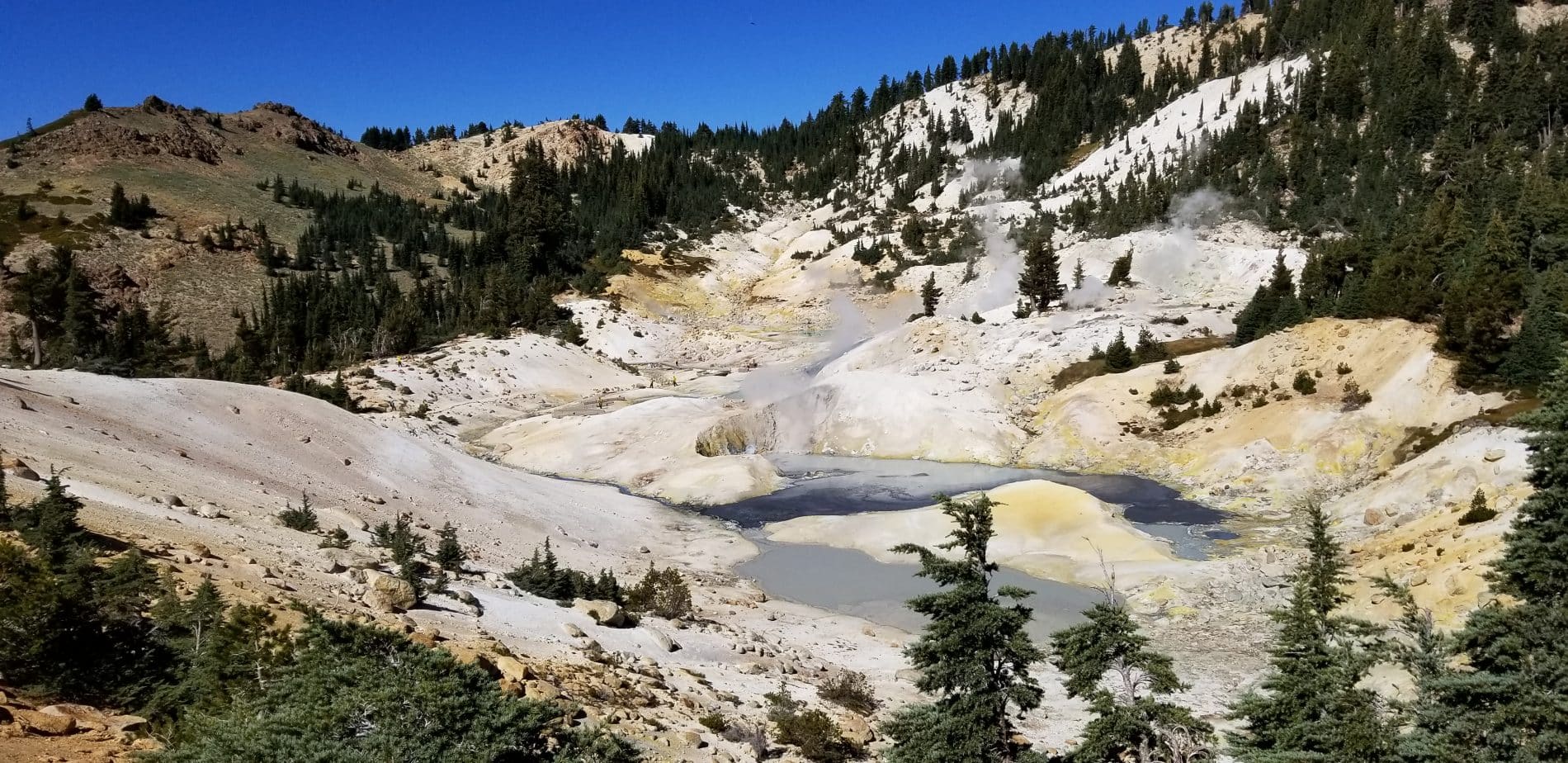
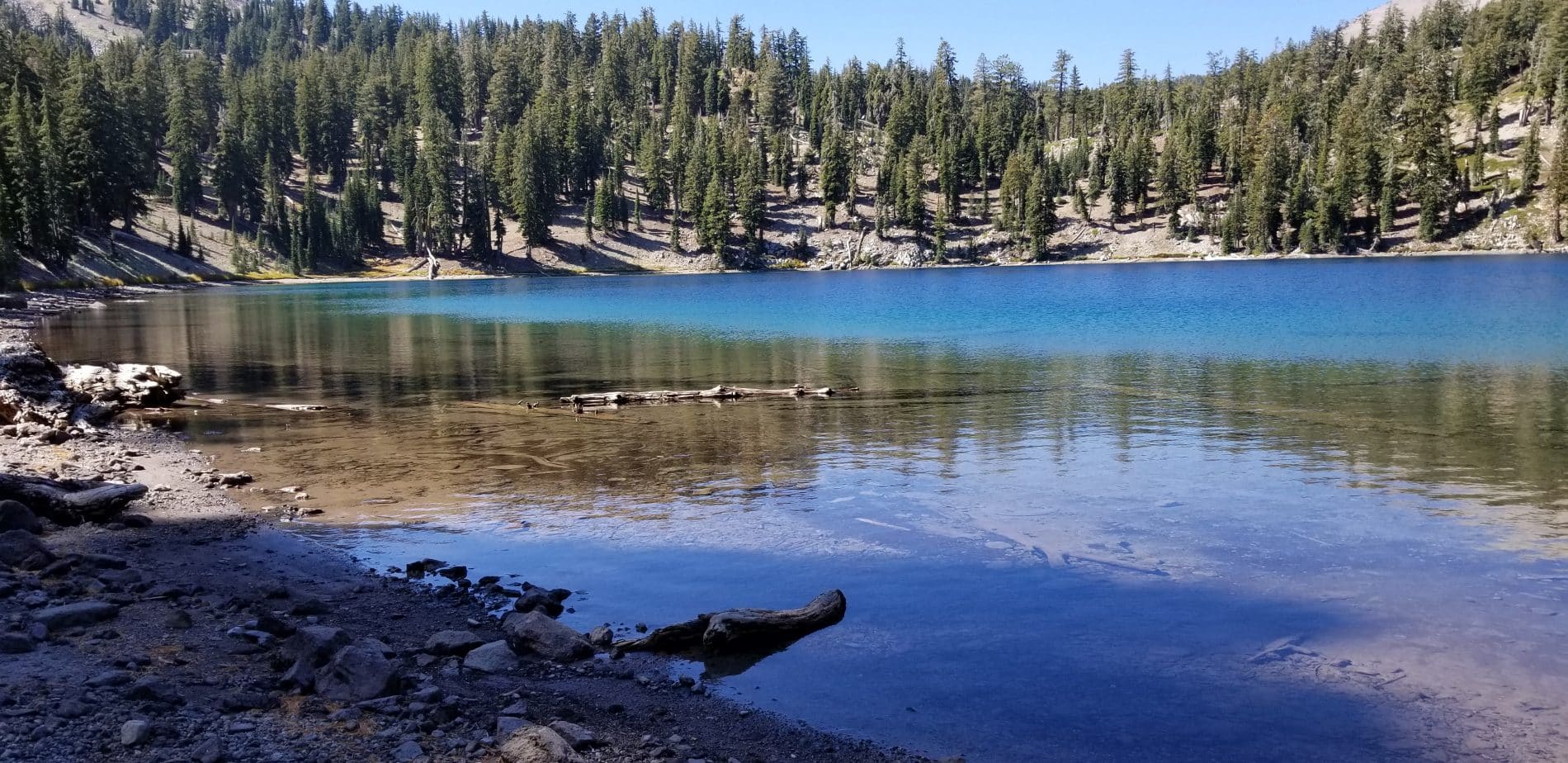
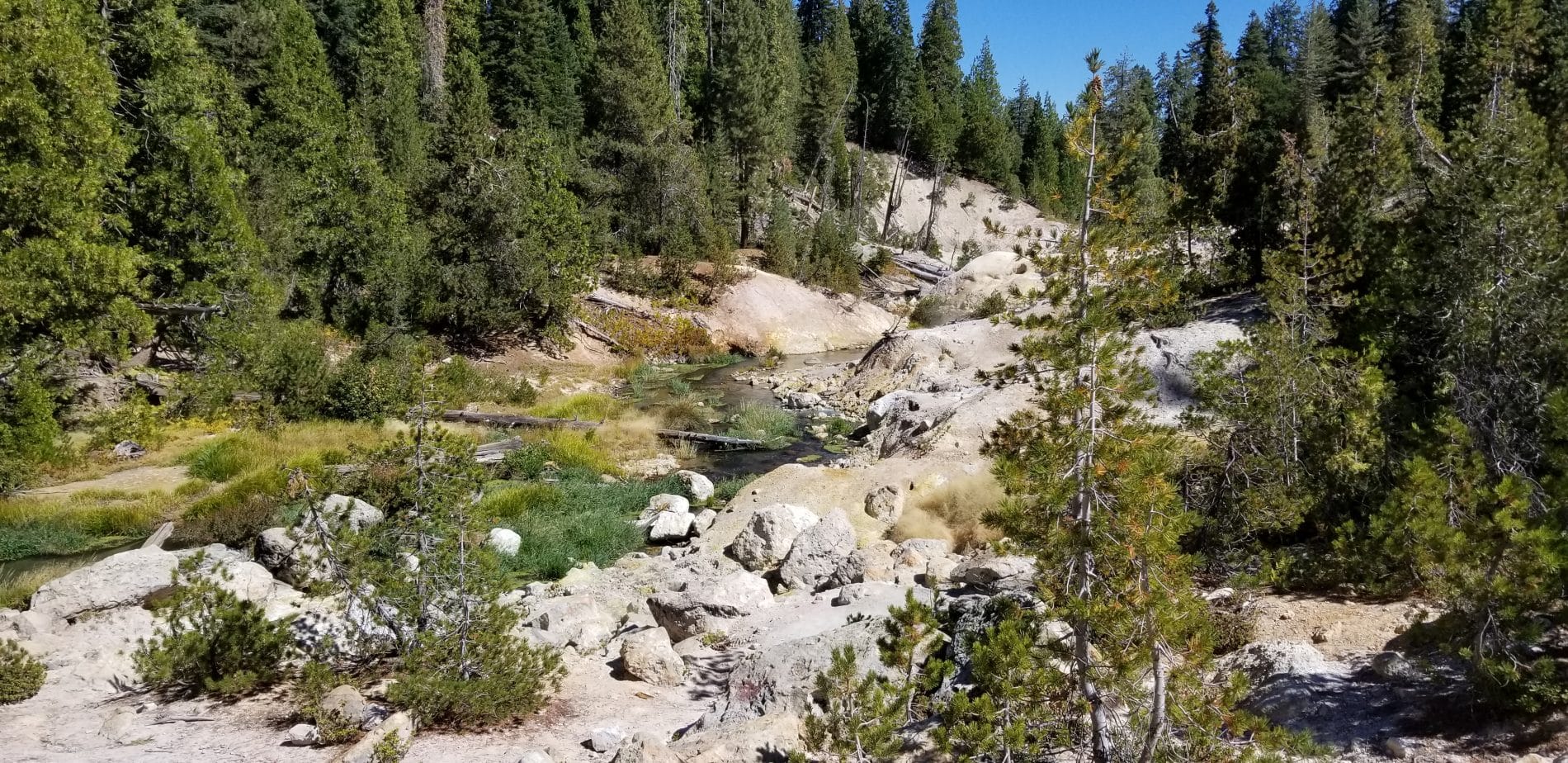
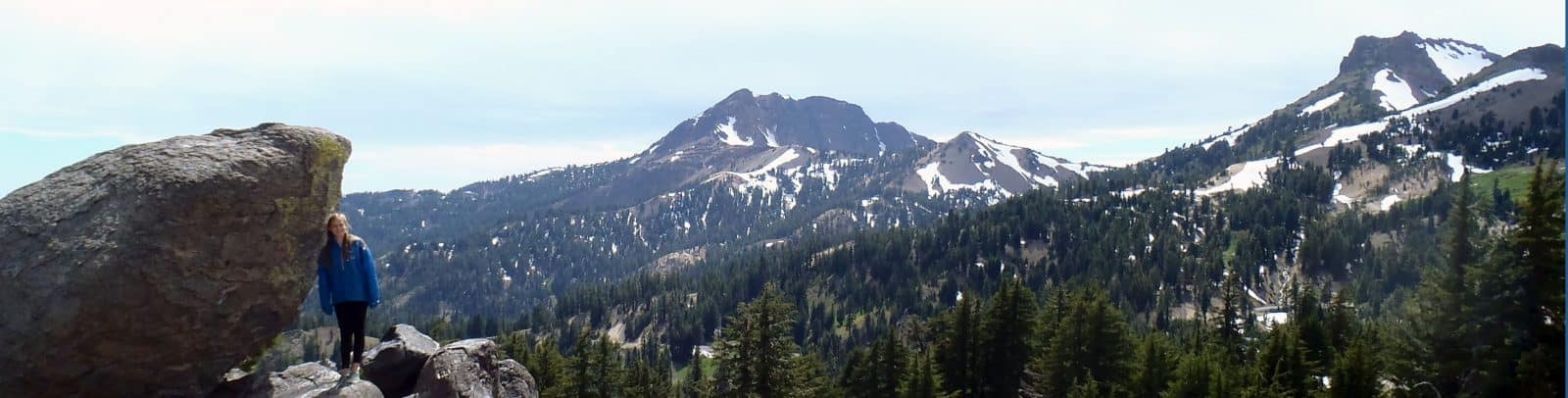
Though Lassen once again sleeps, the region remains as one of our youngest active volcanoes. Today, Lassen Peak, its extensive adjacent collection of geothermal features, its volcanic moonscape surrounded by lush coniferous forests and countless, glistening high country lakes, have found protection within the parameters of Lassen Volcanic National Park. The message of this park is clear- our planet is alive; its surface may be quiet, but it’s profound energy bubbles within. Lassen’s numerous fumaroles and mud pots offer convincing evidence of this geothermal presence.