


Death Valley National Park
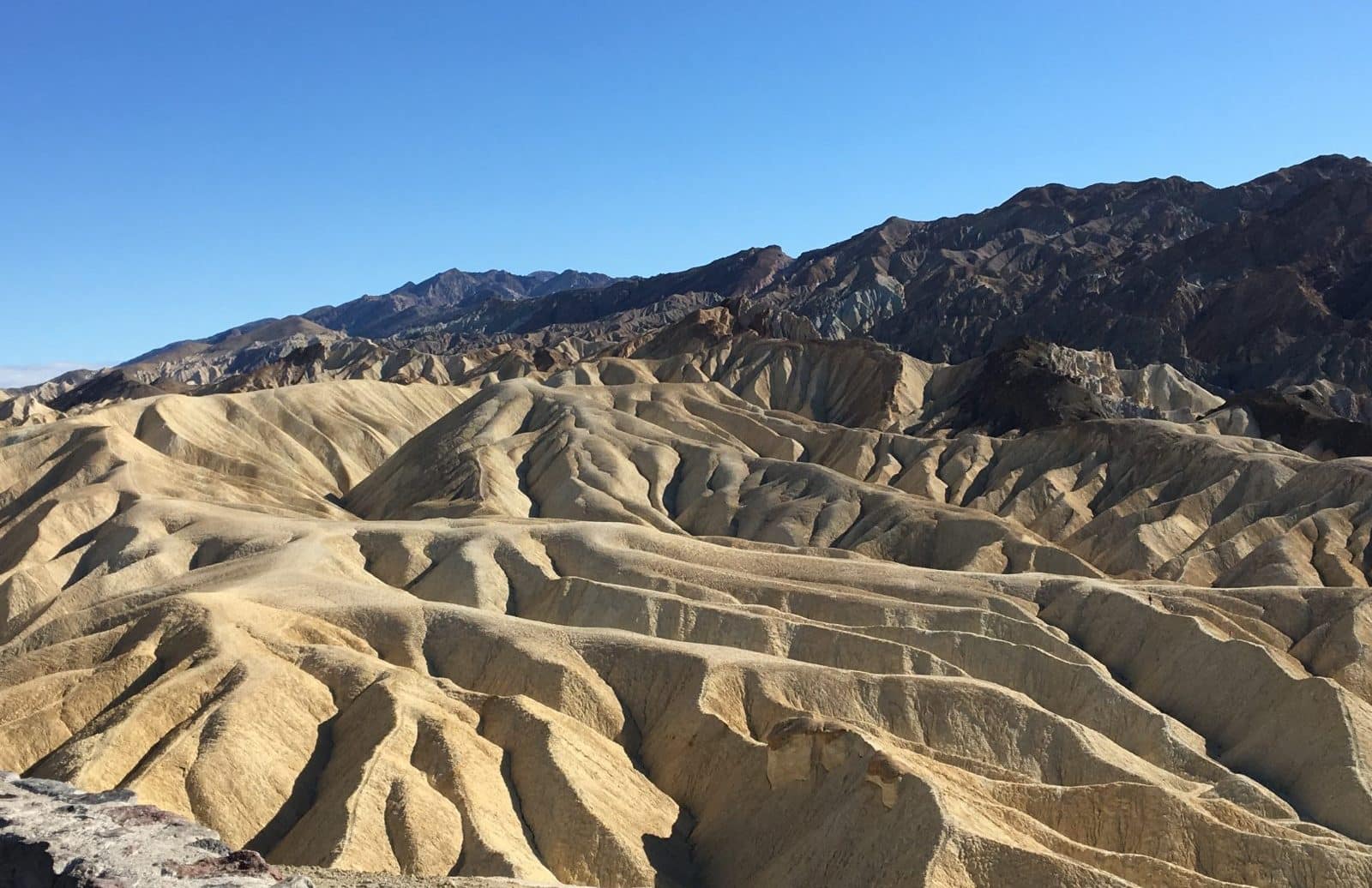
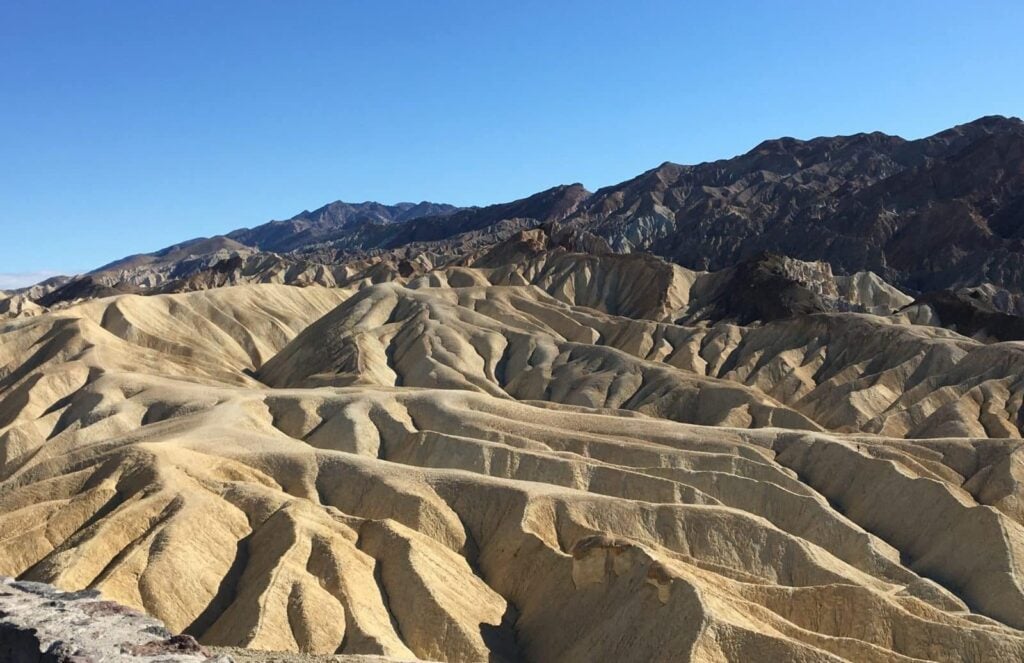
Death Valley National Park has an instantaneous emotional impact on everyone who sees it. That initial view from Zabriskie Point across the vastness of the valley floor to the distant Panamint Peaks rising from the valley clad in an unmistakable mantle of snow is unlike anything that you have ever experienced in a hiking trip.
Death Valley Guided Hiking Tour
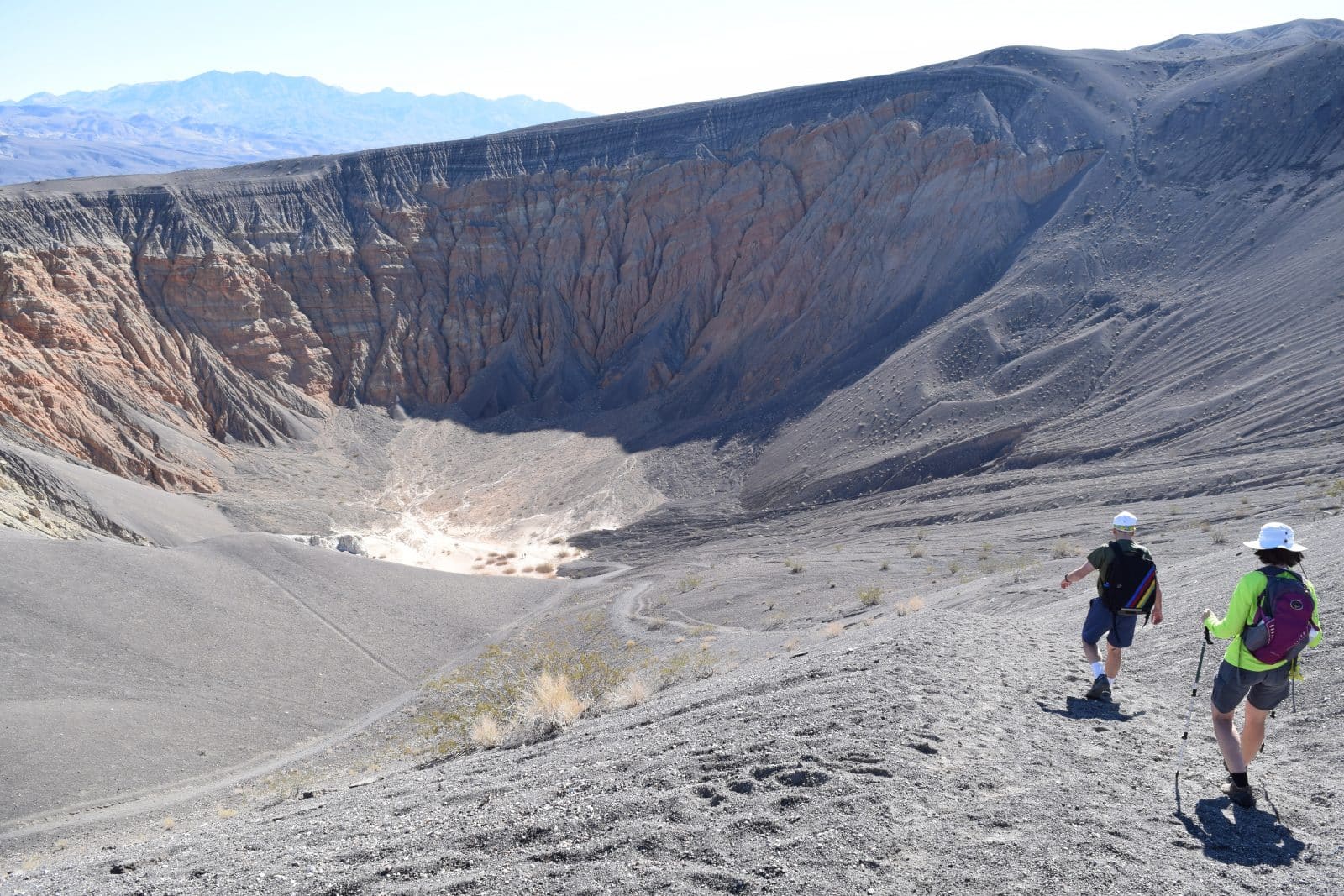
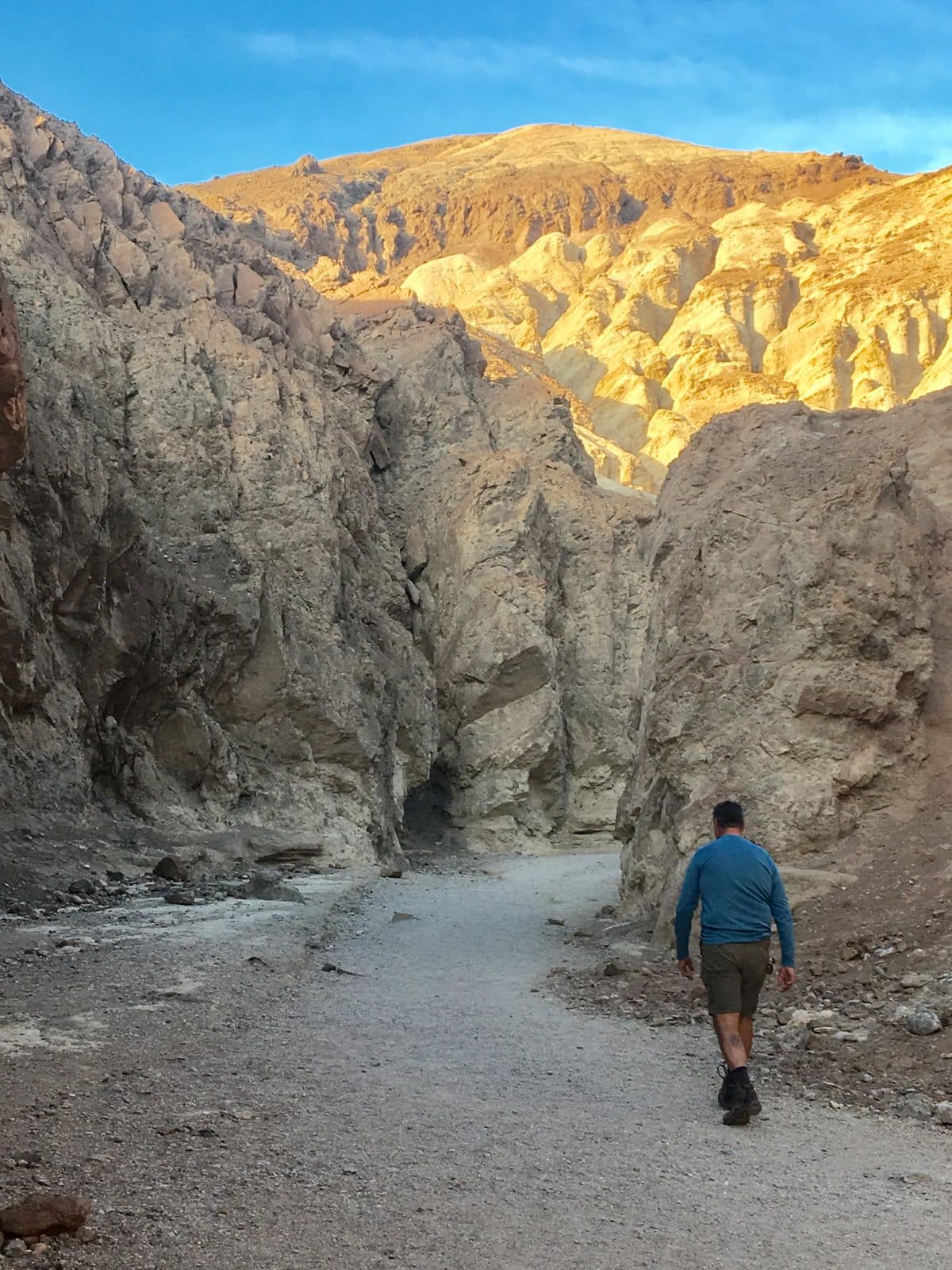
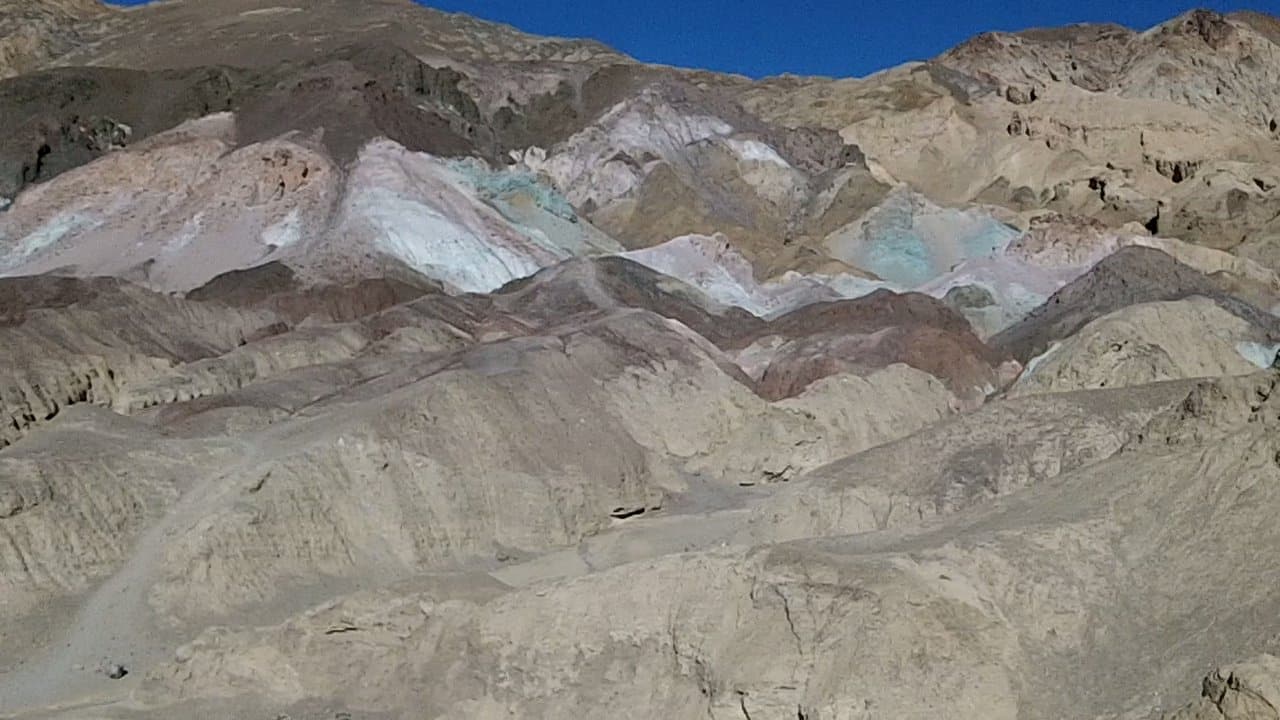
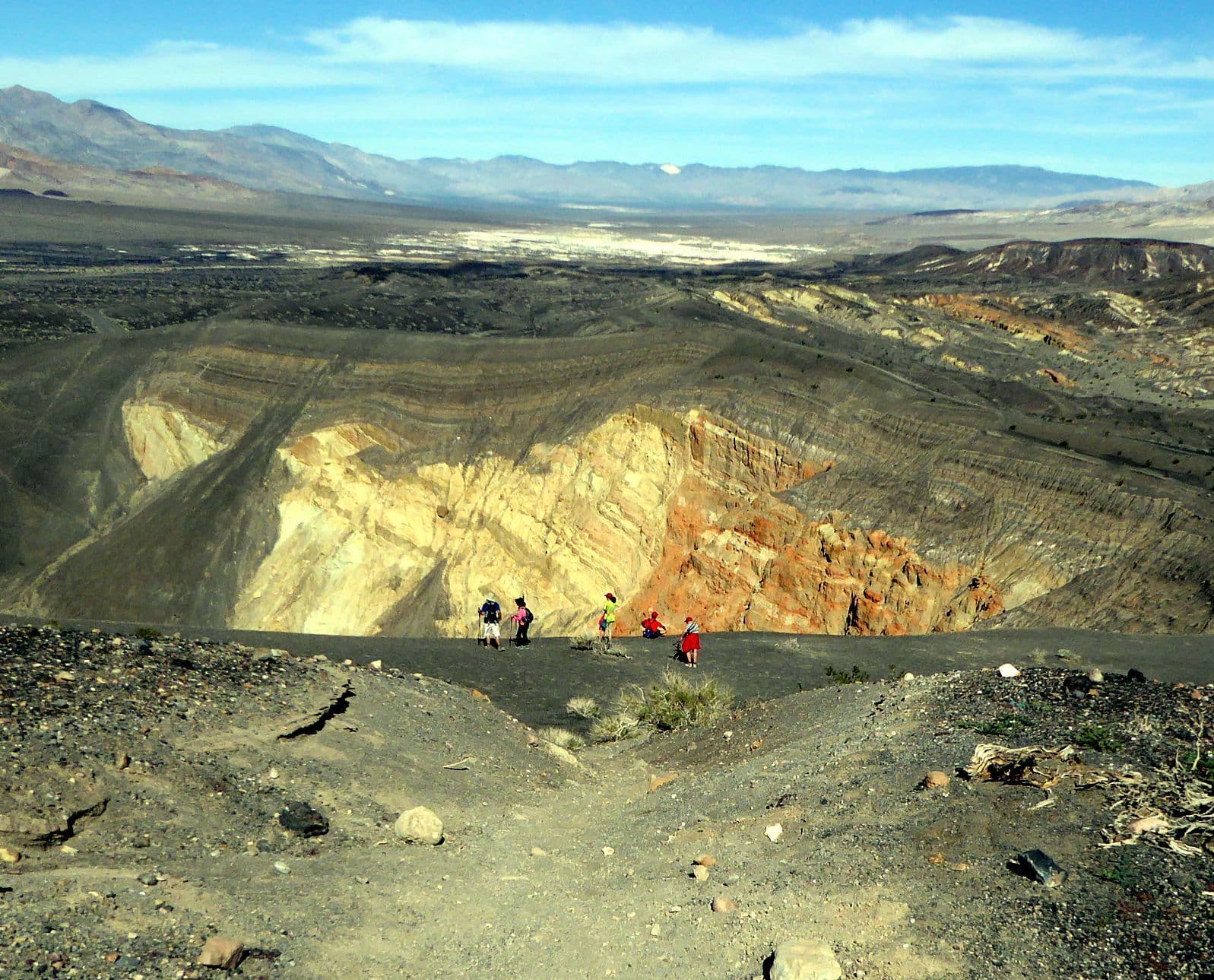
Spectacular though this view may be, it reveals nothing of the intrigue of Death Valley. Several days of hiking into just a few of the nooks and crannies of Death Valley confirmed for us why we choose to hike rather than do bus tours. You won’t believe the hidden treasures that await you on this Death Valley Hiking Tour – the startling colors of Mosaic Canyon, the improbability of a waterfall in Willow Canyon and the narrows of that canyon above the fall, the Ubehebe Volcanic Crater, and the breathtaking views from its rim, to name a few. Although the region can easily reach 40°C (104°F) in the summer months, our visit in November will have pleasant temperatures of 21°C (70°F). The reality is—when you’ve chosen to visit a region that embraces the lowest point in the western hemisphere that is located only 80 miles from the highest point in the “Lower 48,” you need to expect the unexpected. Death Valley does not disappoint.